Spare Parts Warehouse
I. Warehouse Layout and Facilities
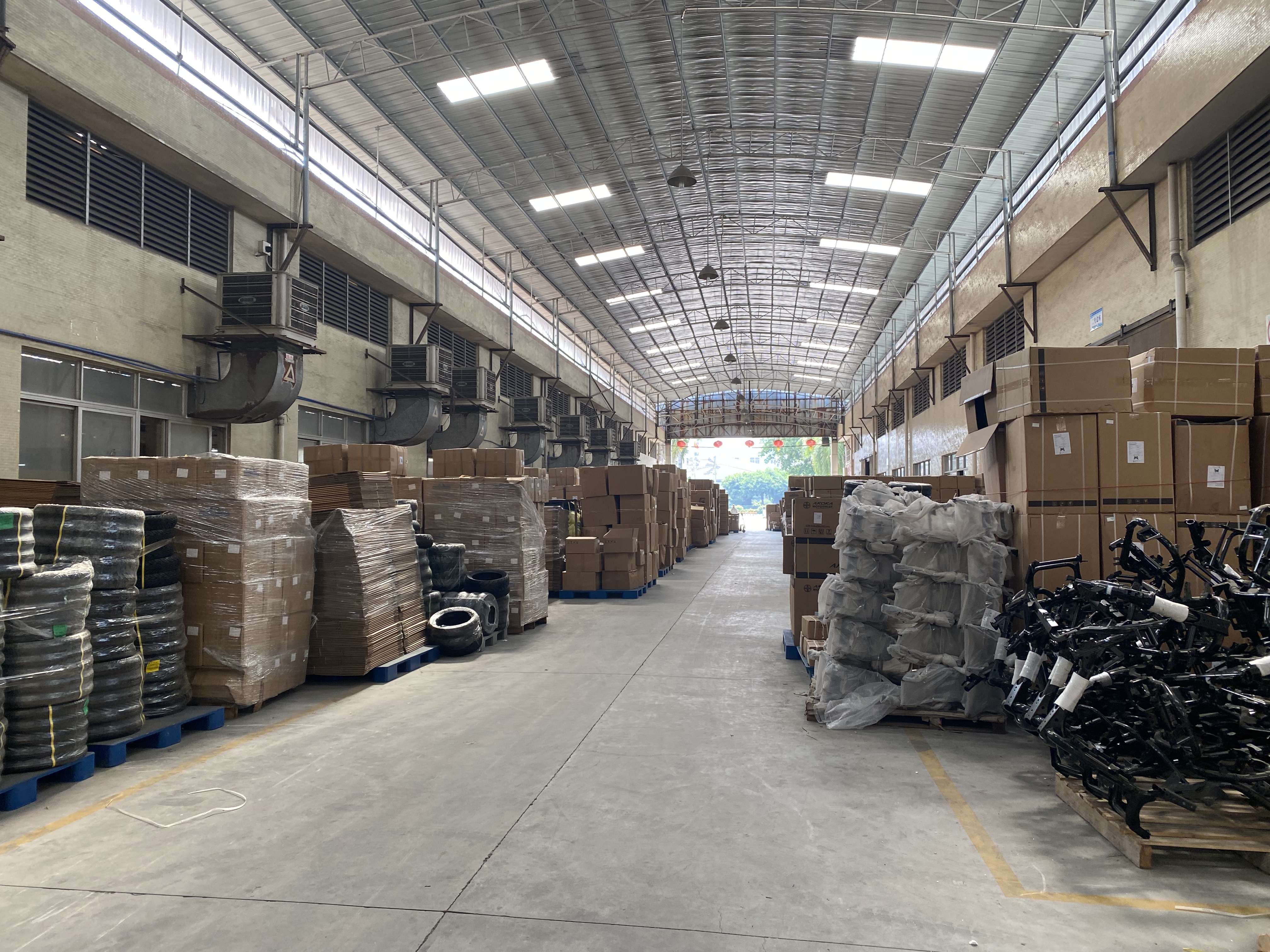
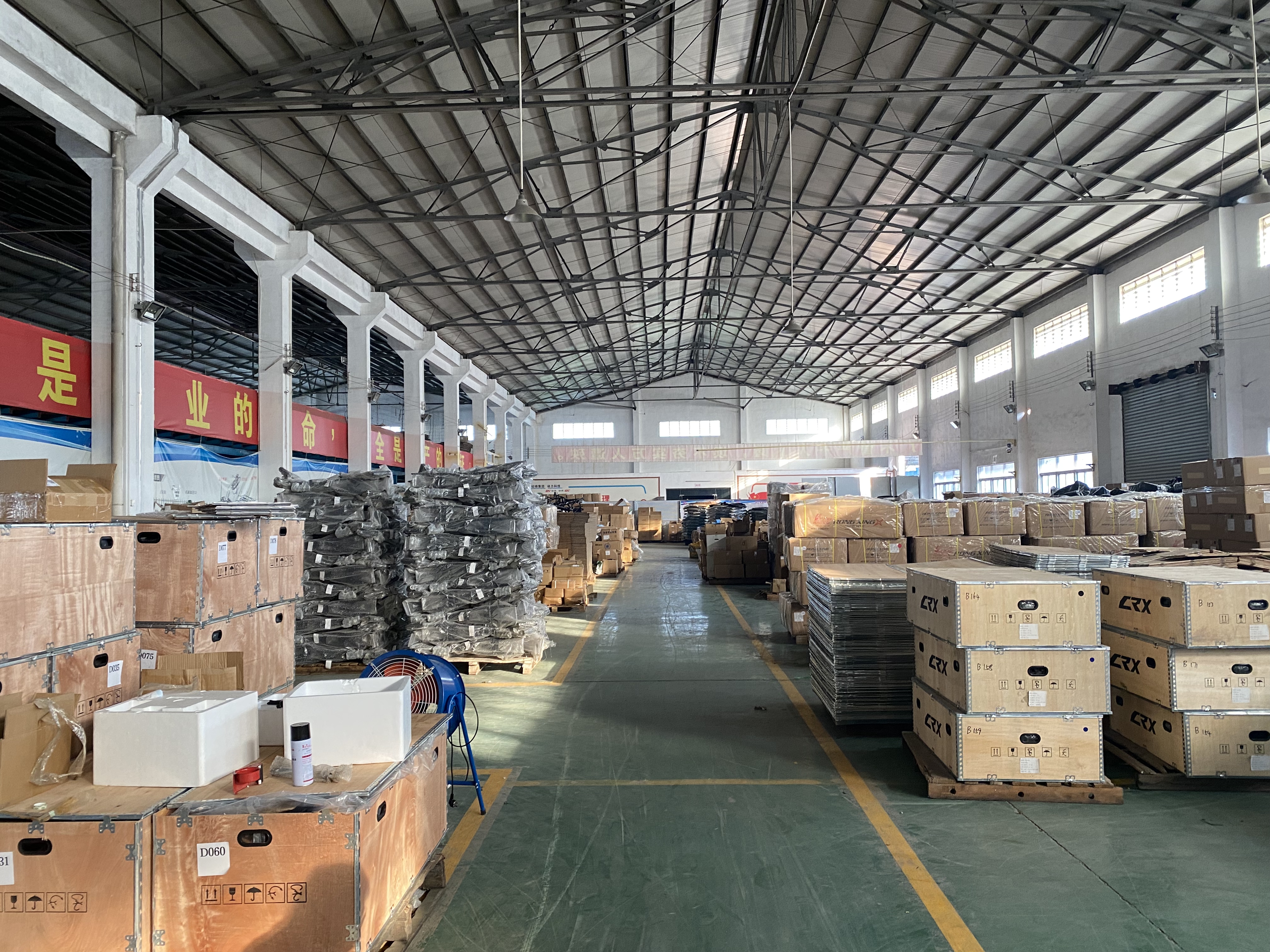
1. Scientific and Reasonable Layout: The internal layout of the warehouse has been carefully planned. It is divided into different areas according to the categories, uses, models, etc. of the accessories. For example, engine accessories, braking system accessories, and electrical system accessories are separately placed in different areas for easy and quick search and management. Meanwhile, spacious and clearly marked passages are set up to facilitate the passage of handling equipment such as forklifts, ensuring the efficient loading, unloading, and handling operations of the accessories.
2. Complete and Comprehensive Facilities: A series of facilities suitable for the storage needs of accessories are equipped. Sturdy shelves are used to neatly place various small accessories to avoid confusion and damage caused by squeezing. For some large and heavy accessories, such as complete engines, special storage areas are set up, and corresponding lifting equipment is equipped to facilitate handling and storage. In addition, the warehouse is also installed with protective facilities such as fire prevention, moisture prevention, dust prevention, and insect prevention to ensure that the accessories remain in good condition during storage, free from the influence of environmental factors.
II. Storage Management
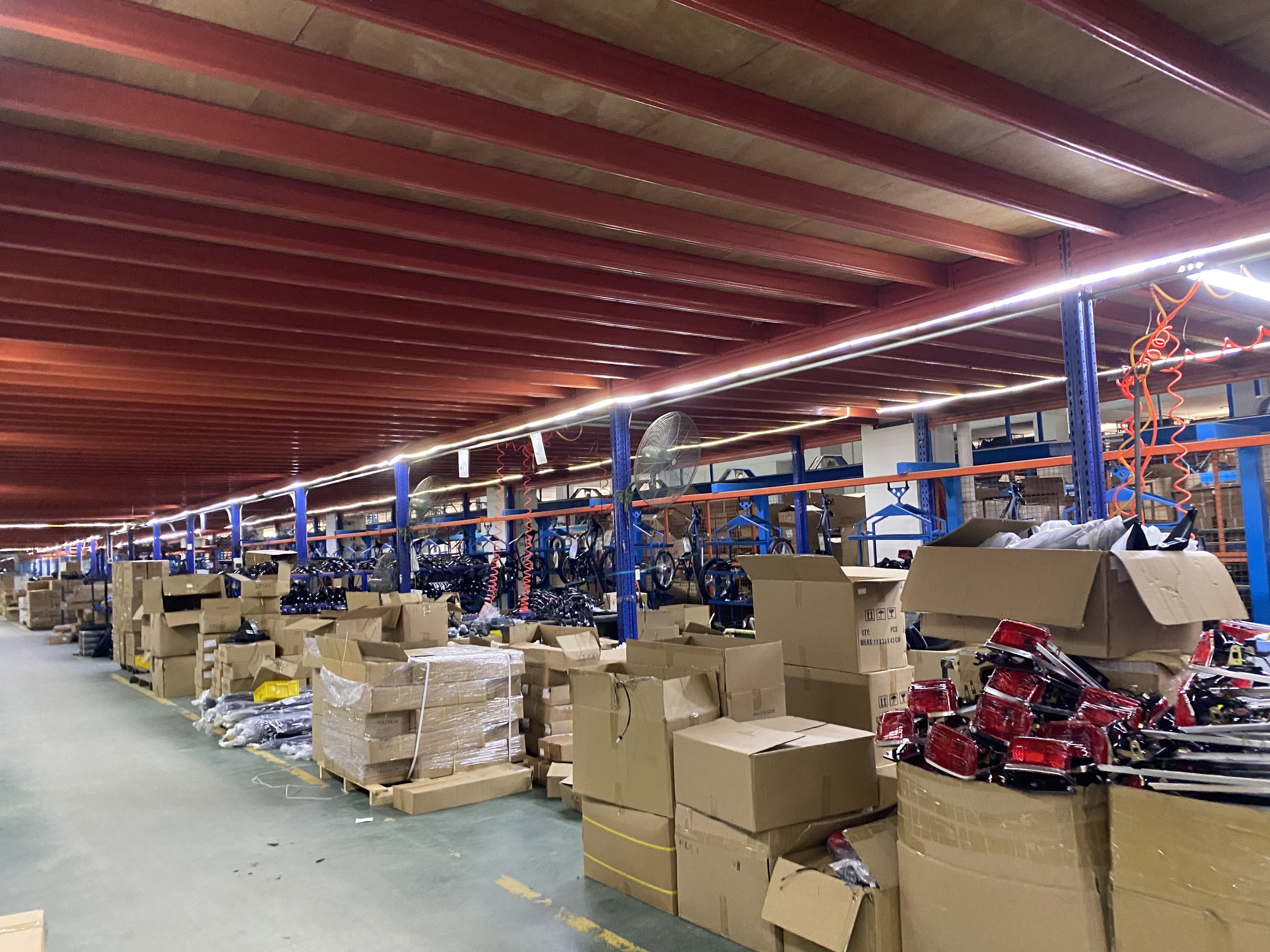
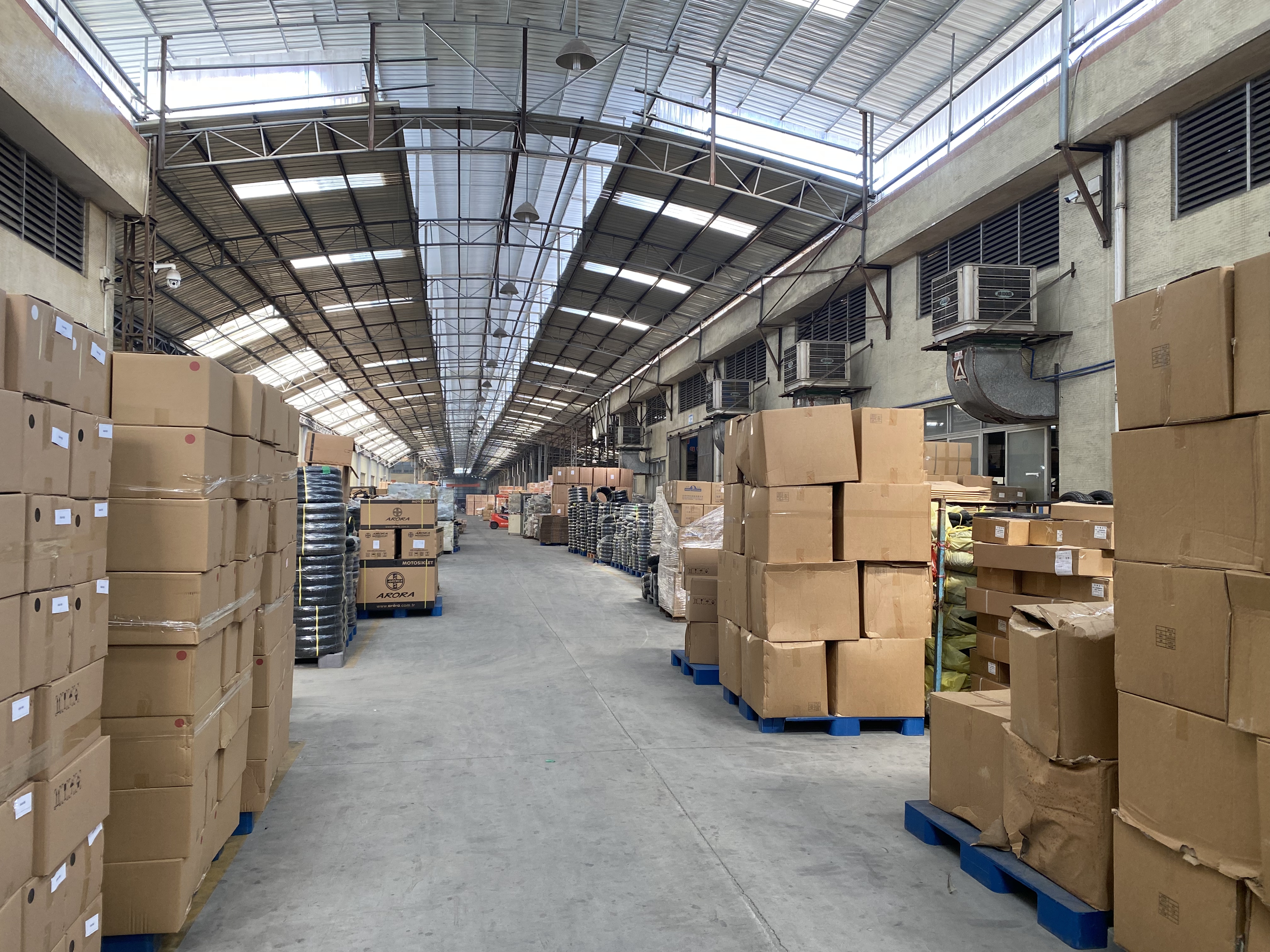
1. Precise Categorized Storage: Accessories are strictly classified in detail according to their types, specifications, brands, etc., and are precisely placed in the corresponding areas. This categorized storage method not only facilitates daily search and inventory work but also enables quick location and extraction of the required accessories when they are needed in production or after-sales maintenance, thus improving work efficiency.
2. Inventory Information Management: An advanced inventory management system is adopted to record in detail the information such as the inbound, outbound, inventory quantity, and storage location of each type of accessory. Through the combination of regular inventory and system data update, the accuracy and timeliness of inventory information are ensured. Relevant departments of the company can reasonably arrange production plans, procurement plans, and after-sales service work according to the inventory data.
III. Inbound and Outbound Processes
1. Inbound Process: When newly purchased accessories arrive at the warehouse, the staff will first conduct a strict acceptance inspection on the accessories, checking whether the models, specifications, numbers, qualities, etc. of the accessories are consistent with the purchase orders. After passing the acceptance inspection, the accessories will be placed in the corresponding positions according to the established categorized storage rules, and the inbound information will be entered into the inventory management system to update the inventory quantity.
2. Outbound Process: When accessories are needed in the production process, the production department will submit an application for accessory requisition. The after-sales department will also raise accessory requirements when providing maintenance services for customers. The warehouse staff will search for and extract the corresponding accessories from the inventory according to these applications. Before outbound, the accessories will be re-checked to ensure that the information is correct. Then, the outbound procedures will be handled, the outbound information will be recorded in the inventory management system to reduce the corresponding inventory quantity, and the accessories will be promptly delivered to the requester.
IV. Safety and Maintenance
1. Safety Guarantee Measures: The warehouse attaches great importance to safety issues. It is equipped with complete safety facilities such as monitoring systems, smoke alarms, and fire extinguishing equipment to achieve all-round and uninterrupted monitoring of the warehouse, preventing the occurrence of unexpected events such as theft and fire. Meanwhile, a strict safety management system has been formulated, and the staff is regularly trained on safety to improve their safety awareness and emergency handling capabilities.
2. Warehouse Facility Maintenance: To ensure the continuous normal operation of the warehouse facilities, the shelves, lifting equipment, and protective facilities are regularly maintained and serviced. For example, the stability of the shelves is checked, and damaged parts are repaired or replaced; the lifting equipment is inspected to ensure its good performance; the fire prevention, moisture prevention, etc. of the protective facilities are detected and maintained to ensure the effective exertion of their protective functions.
The accessory warehouse of Hekang Vehicle Industry effectively guarantees the storage, management, and supply of motorcycle accessories through scientific layout, standardized management, strict inbound and outbound processes, and complete safety and maintenance measures, providing strong support for the production operation and customer service of Hekang Vehicle Industry.